Paved with Purpose: How Classic American Streets Like Cline Avenue Became the Blueprint for Suburban Life
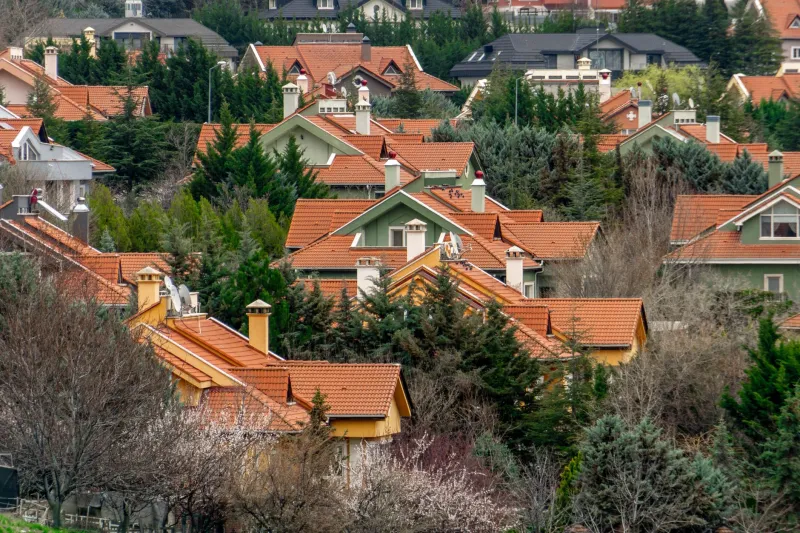
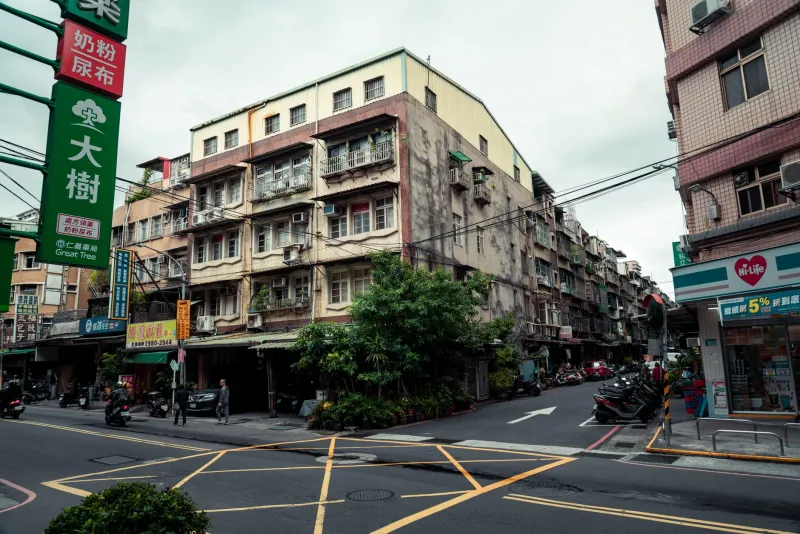
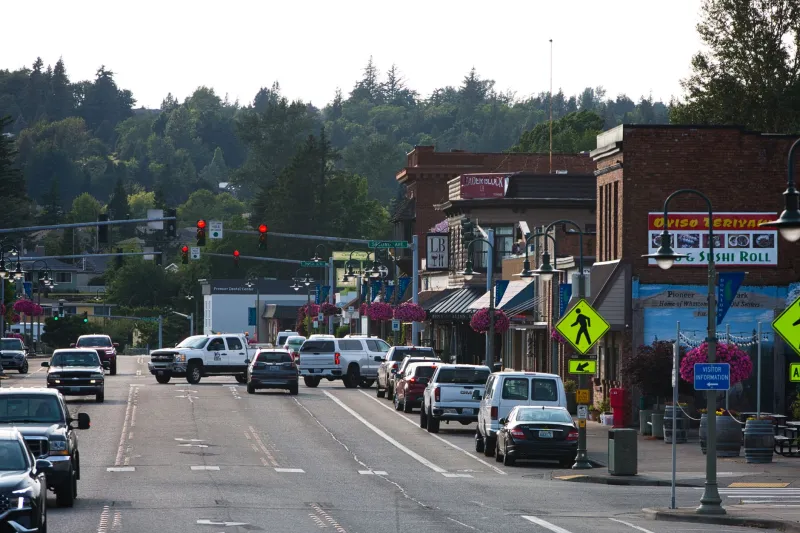
Long before master-planned communities and gated subdivisions dominated the American landscape, streets like Cline Avenue were quietly defining what it meant to live well. The grid-patterned, tree-lined avenues of mid-century America were not accidents of geography—they were deliberate expressions of a national vision. Understanding their origins reveals why today's homebuyers are willing to pay a premium to recapture what those streets got right.
A Nation Searching for Home
In the years following World War II, the United States underwent one of the most dramatic residential transformations in modern history. Millions of returning veterans, newly married and eager to plant roots, flooded a housing market that was wholly unprepared for the demand. Federal programs like the GI Bill unlocked mortgage financing for a generation that had never imagined homeownership within reach. Almost overnight, the concept of the American neighborhood was redrawn.
Planners and developers responded with purpose. Streets were laid wide enough for two cars to pass comfortably, sidewalks were integrated into every block, and lot sizes were calibrated to strike a balance between private space and communal proximity. The result was a residential model that felt both intimate and expansive—a front porch culture grafted onto a grid that encouraged neighborly interaction while preserving individual privacy.
Avenues like Cline were born from exactly this philosophy. They were not merely thoroughfares; they were organizing principles. The street itself was the neighborhood's backbone, and everything else—the setbacks, the landscaping, the placement of schools and parks—was arranged around it.
The Science Behind the Sidewalk
What made these mid-century street designs so enduring was the degree to which they balanced competing residential values. Urban historians have long noted that the most successful neighborhood streets of this era shared several defining characteristics: a consistent canopy of mature trees, modest but well-maintained front yards, and a pedestrian scale that invited walking without discouraging automobile access.
The tree canopy, in particular, proved to be more than an aesthetic choice. Research from institutions including the USDA Forest Service has demonstrated that mature street trees increase adjacent property values by as much as 10 to 15 percent. They moderate temperatures, reduce stormwater runoff, and—perhaps most critically—signal to prospective buyers that a neighborhood has been cared for over time. A street lined with hundred-year oaks communicates permanence and stability in a way that no marketing brochure can replicate.
Lot sizes on classic avenues were similarly deliberate. The quarter-acre standard that became prevalent across American suburbs was not arbitrary. It was large enough to accommodate a vegetable garden, a backyard gathering, and a sense of territorial privacy, while still keeping neighbors close enough to borrow a cup of sugar or share a wave across the fence. This calibration—generous but not isolating—is something that many newer developments have struggled to replicate.
From Blueprint to Legacy
As the decades passed, the neighborhoods built on this mid-century model aged in different ways. Some declined as investment moved outward to newer subdivisions. Others held their value with remarkable tenacity, sustained by strong school districts, walkable infrastructure, and the kind of social capital that accumulates slowly and resists easy quantification.
The streets that endured shared a common trait: they had been built with enough structural integrity to absorb change without losing their essential character. Cline Avenue and streets like it represent this category. Their proportions remain human-scaled. Their infrastructure, though aged, carries the weight of a community that has lived and grown within it.
Real estate professionals who specialize in established neighborhoods frequently observe that buyers who tour these streets respond differently than those viewing newer construction. There is a palpable sense of arrival—a feeling that the place has already earned its identity. That intangible quality, difficult to price but impossible to ignore, has become one of the most sought-after attributes in today's residential market.
What Urban Planners Are Learning from the Past
The irony of contemporary urban planning is that many of its most celebrated innovations are, at their core, rediscoveries. The New Urbanism movement, which gained significant traction in the 1990s and has continued to influence residential development through the present day, drew explicitly from the design vocabulary of mid-century American neighborhoods. Walkability, mixed use, front porches, alley-loaded garages, and neighborhood-scale parks—all of these principles were present in the streets that Americans built between 1945 and 1965.
Developers attempting to recreate this environment from scratch face a fundamental challenge: authenticity cannot be manufactured. A neighborhood acquires its character through decades of habitation, adaptation, and community investment. The mature trees on an established avenue took sixty years to grow. The corner store that has been in the same family for three generations cannot be conjured by a mixed-use zoning ordinance.
This is why properties on established residential streets command a different kind of attention in the current market. Buyers are not simply purchasing square footage and lot size—they are purchasing access to a neighborhood ecosystem that has already proven its worth.
The Enduring Value of the Original Model
At 124 Cline Avenue, we work within a neighborhood that embodies many of the principles that urban historians and housing economists now recognize as foundational to long-term residential value. The street itself is part of the offering. Its scale, its maturity, and its relationship to the surrounding community represent a residential philosophy that was right the first time—and that the market continues to validate.
For buyers who are weighing their options in today's competitive environment, it is worth asking not only what a home offers within its walls, but what the street offers beyond them. The answers to that question have been shaping American real estate values for nearly a century. On streets like Cline Avenue, those answers have stood the test of time.