More Than a Mortgage: What It Means to Own the Property That Defines a Street
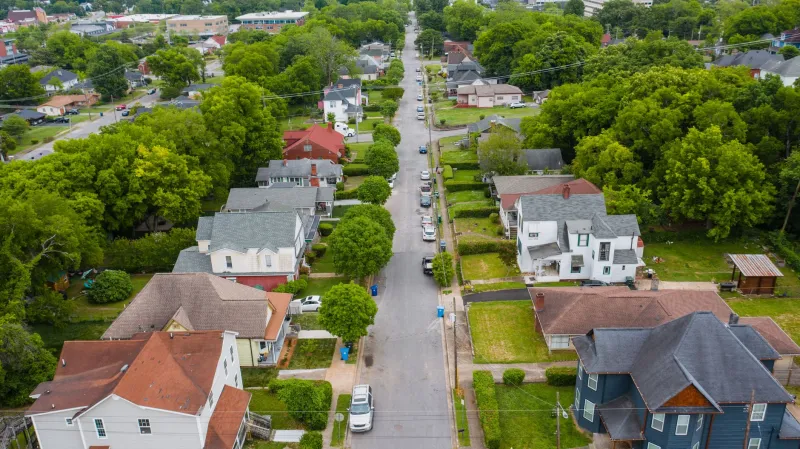
Not every home on a residential street carries equal weight in the collective imagination of its neighbors. Some properties simply hold more sway—a well-positioned corner house whose wraparound porch faces two blocks simultaneously, an older craftsman bungalow whose mature oak trees frame the entire entrance to a subdivision, or a mid-century colonial that has anchored the same cul-de-sac for six decades. These homes are not merely real estate transactions waiting to happen. They are, in a very real sense, community institutions.
For the discerning homebuyer, recognizing this distinction before making an offer can mean the difference between a straightforward purchase and a profoundly consequential one.
The Anatomy of a Neighborhood Anchor
What separates an ordinary residential listing from one that genuinely shapes neighborhood identity? The answer rarely appears in a property disclosure form. It lives instead in the accumulated history of the lot itself—the way morning light hits its front facade, the generations of children who have used its corner sidewalk as a gathering point after school, or the decades during which its annual holiday decorations served as the unofficial signal that the season had arrived on the block.
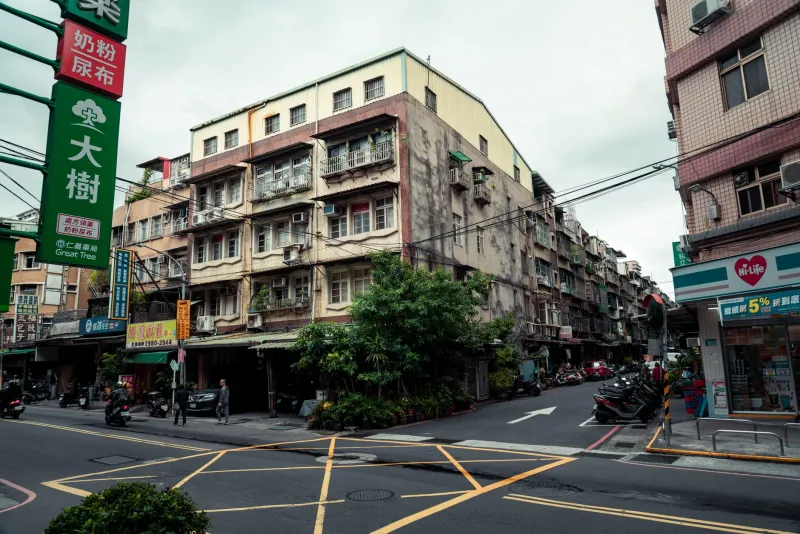
Corner lots are among the most common candidates for this kind of civic significance. Positioned at the intersection of two streets, they occupy more visual real estate than their square footage alone would suggest. A well-maintained corner property extends its influence in multiple directions simultaneously, functioning as a kind of unofficial welcome sign for anyone entering the block from either approach. Conversely, a corner lot that has fallen into disrepair can cast a long shadow over an otherwise thriving street.
Beyond geometry, however, neighborhood-defining properties often share certain qualitative characteristics: architectural distinctiveness that differentiates them from their neighbors, generous lot depth that permits mature landscaping, or a physical elevation that makes them naturally visible from a distance. In many established American neighborhoods—the kind that formed in the postwar decades when streets like Cline Avenue were being laid out with intention and civic optimism—these properties were sometimes deliberately designed to anchor the streetscape.
Historical Precedent: When Homes Become Landmarks
Across the United States, countless residential streets can point to a single property that has functioned as the neighborhood's informal centerpiece for generations. In older Midwestern towns, it is often the Victorian-era house on the highest point of the block, its turret visible from three streets away. In Sun Belt suburbs developed in the 1960s and 1970s, the anchor might be the home of a long-tenured family whose front yard garden became a neighborhood tradition.
These properties tend to accumulate meaning slowly, through repetition and ritual. A house becomes a landmark not because of a single dramatic event but because of the steady accumulation of ordinary moments: the neighbor who always waves from the front porch, the yard sale that draws the entire block every spring, the porch light that has been left on every evening for thirty years. When that home eventually changes hands, the transition can feel, to longtime residents, almost like a civic event.
This dynamic is not merely sentimental. Research in urban planning and residential sociology consistently finds that the visual and social anchors of a neighborhood exert measurable influence on surrounding property values, community cohesion, and residents' reported satisfaction with their living environment. The health of a neighborhood's defining properties is, in many ways, a proxy for the health of the neighborhood itself.
What Buyers Should Understand Before They Sign
Purchasing a property of this nature carries obligations that extend beyond standard homeownership. Prospective buyers should approach such a transaction with both enthusiasm and clear-eyed awareness of what the community may expect from them as stewards of a visible address.
Maintenance standards will be held to a higher informal bar. A peeling front door or an overgrown lawn is noticeable on any property, but it is acutely noticeable on a corner lot or a home that neighbors have come to regard as a visual touchstone. This is not a burden unique to landmark properties, but it is amplified by their visibility.
Community involvement may be implicitly assumed. Homeowners who acquire prominent properties sometimes find that neighbors arrive at their door with invitations, expectations, or simply an assumption of familiarity that would not apply to a less visible address. For buyers who value privacy above all else, this social dimension warrants careful consideration.
Renovation decisions carry neighborhood-wide implications. Altering the character of a home that has long defined its block—removing a distinctive architectural feature, replacing a mature tree line, or dramatically changing the exterior palette—can generate a level of community response that surprises new owners. In some cases, local historic preservation guidelines may formally regulate such changes. In others, the pressure is purely social but no less real.
The premium is not always reflected in the listing price. Corner lots frequently command higher prices than interior lots of comparable size, and landmark properties often attract competitive offers. However, the full value of such a purchase—the intangible authority it confers, the social capital it builds, the quiet satisfaction of residing at an address that matters to its community—rarely appears in any appraisal.
The Stewardship Mindset
The most successful owners of neighborhood-defining properties tend to share a particular orientation toward their homes. They do not regard their address merely as a financial asset or a private retreat. They understand, consciously or intuitively, that they are custodians of something larger than themselves.
This stewardship mindset has practical applications. It shapes decisions about exterior upkeep, landscape design, and how the property is presented during the holidays or through seasonal changes. It influences how owners interact with neighbors and whether they choose to participate in block associations, local beautification initiatives, or community planning processes. And it informs how they eventually approach the question of selling—recognizing that the next buyer, too, will inherit not just a deed but a set of community expectations.
At 124 Cline Avenue, we believe that understanding a home's role within its neighborhood is as important as understanding its square footage, its school district, or its mechanical condition. A property that has become the quiet anchor of its block represents one of the most meaningful purchases a buyer can make—provided they enter the transaction with both eyes open.
The corner lot question, ultimately, is not simply about price. It is about whether a buyer is prepared to own a home that the neighborhood has already, in its own way, claimed as its own.