The Architecture of Welcome: Why Certain Streets Draw You In and Others Simply Let You Pass
There is a particular sensation that veteran homebuyers describe—one that precedes any inspection report or comparative market analysis. It occurs somewhere between stepping out of the car and reaching the front door. The street either feels like somewhere you could belong, or it doesn't. Most buyers attribute this impression to instinct. In reality, it is the product of accumulated environmental cues, each one the result of decisions made by residents, developers, and municipal planners over the course of decades.
Understanding what produces that sensation—and why it matters to long-term homeownership satisfaction—requires moving beyond curb appeal as a superficial concept and examining the structural and social patterns that distinguish genuinely welcoming streets from those that merely accommodate their residents.
The Front Porch as Social Infrastructure
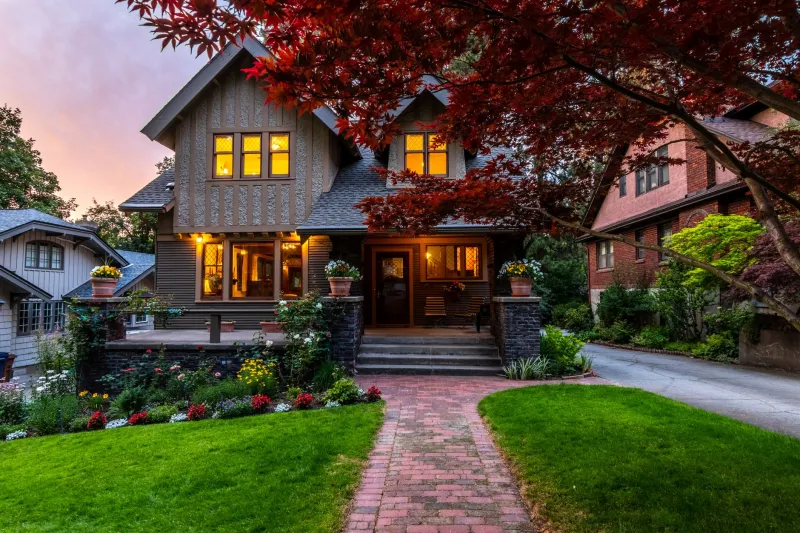
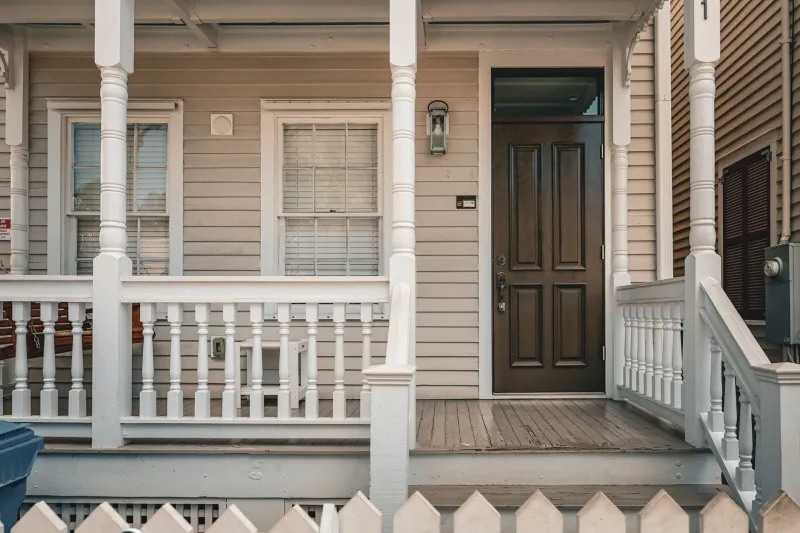
Few architectural elements carry as much sociological weight as the front porch. In the vocabulary of residential design, it functions as a threshold—a space that belongs simultaneously to the private household and the public street. Homes with functional front porches, furnished and visibly used, communicate something specific about the relationship between their occupants and their neighbors.
Margaret Holloway has lived on the same block in Cincinnati's Westwood neighborhood for thirty-one years. She describes the front porch as the mechanism through which she came to know virtually every family within three houses in either direction. "You don't plan the conversations," she says. "They happen because you're both outside at the same time. That's all it takes."
Real estate professionals in markets where front-porch architecture is prevalent tend to observe lower vacancy rates and shorter days-on-market for homes on those blocks. The causal relationship is difficult to isolate, but the correlation is consistent enough that several appraisal firms in the Southeast and Midwest have begun incorporating porch prevalence into qualitative neighborhood assessments.
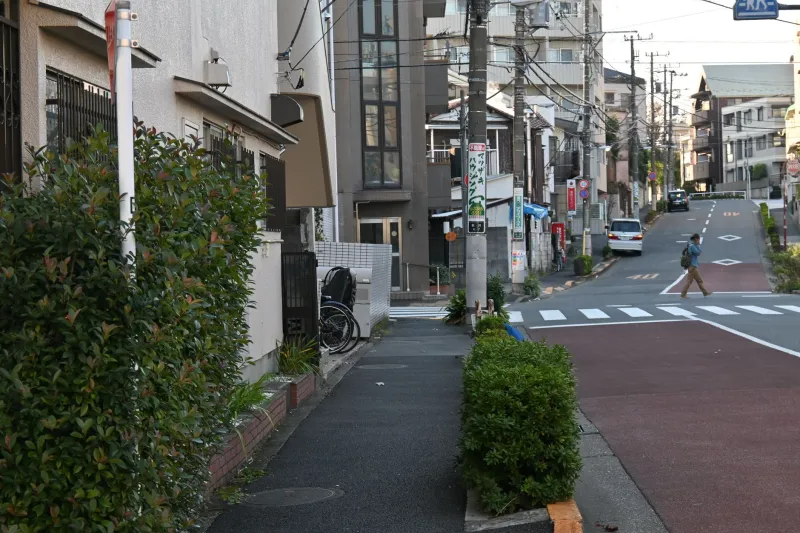
By contrast, streets dominated by garage-forward designs—where the garage door constitutes the primary street-facing element of the home—tend to produce what urban planners call "eyes off the street" environments. Residents arrive and depart without visible engagement with the public realm. The social infrastructure that produces informal acquaintance never develops.
Setbacks, Scale, and the Human Dimension
The distance between a home's facade and the public sidewalk—its setback—is a zoning artifact that carries profound consequences for street character. Shallow setbacks, common in pre-war neighborhoods and traditional urban grids, place homes in closer proximity to pedestrian activity. This proximity encourages acknowledgment, brief exchanges, and the kind of ambient familiarity that sociologists associate with neighborhood cohesion.
Deep setbacks, by contrast, create a spatial distance that functions as a social one. The house recedes from the street, and with it, the implicit invitation to engage. This is not inherently negative—privacy is a legitimate and valued residential quality—but it produces a different kind of street personality, one that tends toward self-containment rather than community.
David Reyes, a residential appraiser with twenty years of experience in the Denver metropolitan market, notes that he can often predict turnover rates before reviewing sales data simply by observing setback patterns. "Blocks with varied but generally modest setbacks, where residents can see each other from their front yards, tend to have longer average tenure," he says. "People stay. That stability shows up in the comps."
Fencing Styles and the Grammar of Enclosure
How residents choose to define the edges of their property reveals a great deal about the social contract of a given block. Fencing, in particular, operates as a kind of grammar—a set of signals about openness, privacy, and the degree to which a household considers itself part of a larger community.
Low, decorative fencing—wrought iron, split rail, picket—maintains visual connection between yard and street while establishing a gentle boundary. It says, in effect: this space is mine, and I am comfortable with you seeing it. Tall, opaque privacy fencing communicates a different set of priorities, and while those priorities are entirely legitimate, their cumulative effect on a block's character can be significant.
Streets where the dominant fencing style is low and permeable tend to score higher on walkability perception surveys, even when their objective Walk Score ratings are identical to streets with more enclosed yards. The visual openness creates a sense of safety and engagement that residents internalize, often without consciously identifying its source.
Yard Use as Social Signal
The manner in which residents use their front yards—not the landscaping quality, but the actual behavioral patterns—provides perhaps the most direct window into a street's social character. Yards that show evidence of use—children's equipment, seasonal plantings tended by visible hands, chairs positioned for outdoor sitting—signal occupancy in the fullest sense. The house is not merely inhabited; it is lived in.
Yards maintained to an immaculate but sterile standard, or those that show signs of deferred care, send different signals. Neither is inherently problematic, but in aggregate, the behavioral patterns of a block's residents create a coherent impression that prospective buyers receive and interpret—often before they are consciously aware of doing so.
Jennifer Castillo, who relocated from Phoenix to a neighborhood in Raleigh, North Carolina, three years ago, describes her decision process in terms that are telling. "I toured eight houses in my price range. Three of them were objectively nicer than the one I bought. But on my street, I could see that people were actually outside. A woman was planting something in her yard when I pulled up. A man was talking to his neighbor across the fence. I made an offer that afternoon."
Stability, Tenure, and the Long-Term Premium
The environmental qualities described above—porch culture, appropriate setbacks, permeable fencing, active yard use—share a common consequence: they produce streets with higher average resident tenure. And tenure, as any experienced real estate professional will confirm, is among the most reliable indicators of neighborhood stability and long-term value appreciation.
When residents remain in place for extended periods, they develop investment in the block's collective condition. They maintain their properties not merely for personal satisfaction but because they understand themselves to be part of a shared enterprise. That shared investment creates a self-reinforcing cycle: stable streets attract buyers who intend to stay, and buyers who stay contribute to the street's stability.
At 124 Cline Avenue, we have observed this pattern repeatedly across the neighborhoods we cover. The streets that feel most like home to their residents are, almost without exception, the streets that perform most consistently in the market. The welcome that a block extends to its visitors is not incidental to its value. In many respects, it is the value.