What You Cannot Hear During the Open House: The Acoustic Reality of Residential Streets and What It Costs You
There is a reason real estate professionals schedule open houses on quiet weekend afternoons. The light is flattering, the neighborhood feels calm, and the only sounds drifting through the kitchen windows are birdsong and the occasional lawn mower. What that curated moment does not reveal is what the same address sounds like when a school bus idles at the corner each morning, when commuter traffic stacks up on the parallel arterial road two blocks over, or when a delivery truck downshifts in front of the driveway at 5:30 a.m.
Noise is among the most consequential and least discussed variables in residential real estate. It shapes quality of life in ways that no square footage calculation can offset, and it leaves a measurable imprint on long-term property values that many buyers discover only after the closing documents have been signed.
The Price Differential Two Parallel Streets Can Produce
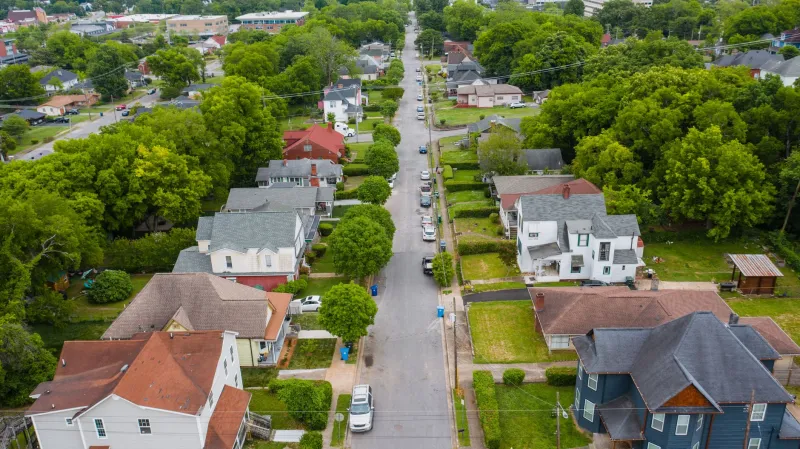
Consider two homes built in the same decade, with comparable lot sizes, identical school district assignments, and similar interior finishes. One sits on a quiet residential street with low through-traffic. The other occupies a parallel block that serves as an informal cut-through for commuters avoiding a nearby intersection. On paper, these properties look nearly equivalent. In practice, the acoustic gap between them can translate into a valuation difference of five to ten percent, according to multiple studies examining traffic noise and residential pricing in American metropolitan areas.
The Federal Highway Administration has documented that sustained exterior noise levels above 66 decibels — a threshold easily reached by moderate arterial traffic — are associated with measurable declines in residential property values. Buyers internalize this discomfort even when they cannot articulate it precisely. They simply feel less at ease, linger less during showings, and submit lower offers.
What makes this dynamic particularly important for buyers is that the discount is not always reflected in the asking price. Sellers and listing agents are under no obligation to present acoustic data, and in many transactions, neither party has ever formally assessed it.
Understanding the Noise Sources That Matter Most
Not all traffic noise carries equal weight in a property valuation context. The sources that tend to produce the most durable negative impact share a common characteristic: they are predictable, recurring, and unavoidable.
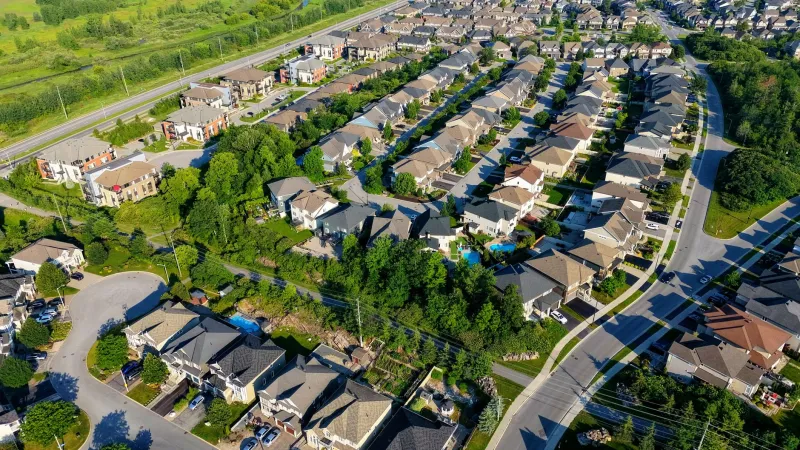
Arterial road proximity is the most significant single factor. Streets classified as collectors or arterials — those designed to move higher volumes of traffic between neighborhoods and commercial corridors — generate consistent noise throughout the day and into the evening. A home that backs up to such a road, or sits within one or two blocks of one, will experience that noise regardless of how the front of the property faces.
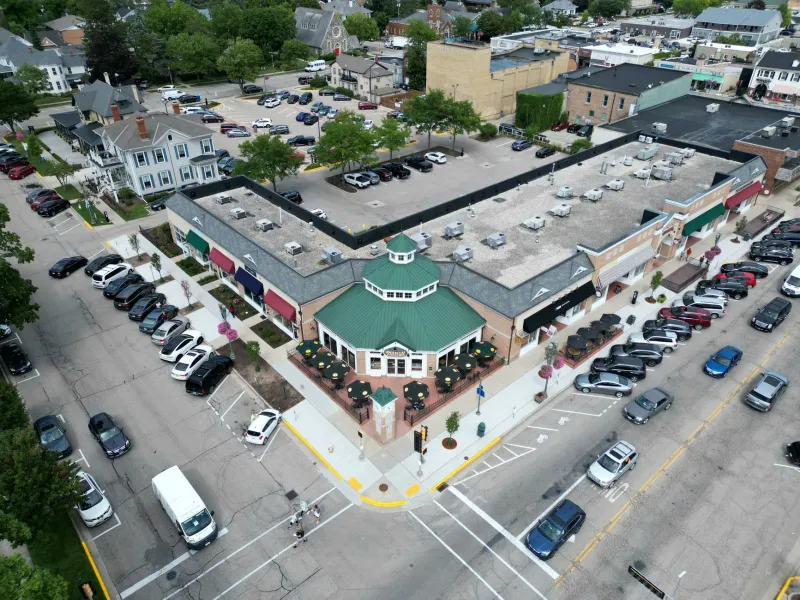
Intersection congestion patterns introduce a different acoustic profile. Homes near signalized intersections experience stop-and-go traffic sounds, including engine acceleration, brake engagement, and, in older vehicles, exhaust noise. These sounds tend to be more irregular and, in some ways, more disruptive than the steady hum of highway traffic.
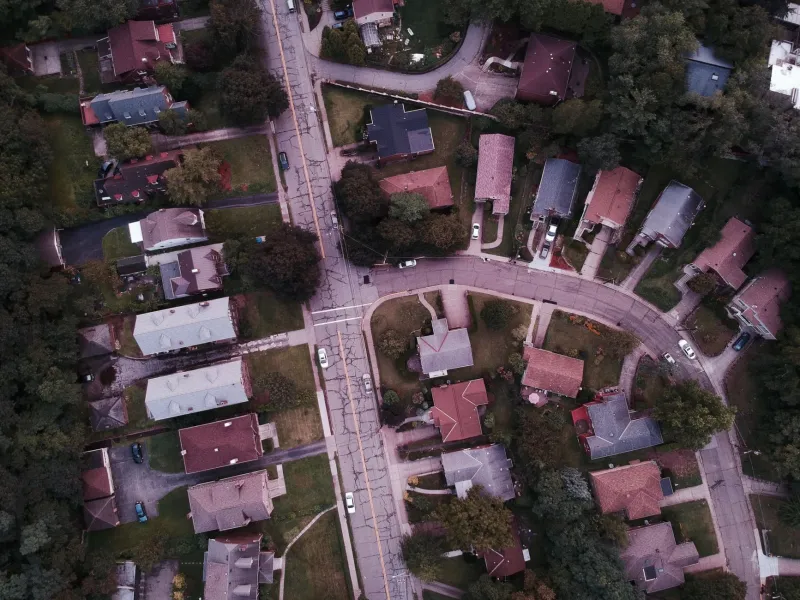
Cut-through traffic on residential streets is perhaps the most frustrating category because it is often invisible during due diligence. A street may carry minimal traffic on weekends but become a de facto bypass route during weekday peak hours. This pattern requires direct observation at those specific times to detect.
Proximity to commercial loading zones or transit stops introduces early morning and late evening noise that buyers rarely anticipate. A bus stop one house down from a property may generate noise starting before 6:00 a.m. on weekdays.
Practical Tools for Assessing a Street's Acoustic Profile Before You Buy
The good news is that buyers today have access to several resources that did not exist a generation ago, and a disciplined approach to acoustic due diligence can reveal what a single open house visit conceals.
Visit the property at multiple times of day and on weekdays. This is the single most effective step any buyer can take. Arrive before 8:00 a.m. on a Tuesday or Wednesday. Return during the evening commute window. Spend time in the backyard as well as the front, since noise transmission varies significantly depending on the home's orientation and any natural or constructed sound barriers.
Use decibel measurement applications on your smartphone. While not laboratory-grade instruments, consumer apps such as NIOSH SLM or Decibel X can provide directional readings that give you a rough baseline. A sustained exterior reading above 60 decibels in a residential zone warrants careful consideration.
Consult publicly available noise mapping resources. The U.S. Department of Transportation and many state departments of transportation maintain traffic volume data that is accessible online. Some municipalities have published environmental noise maps as part of comprehensive planning documents. These resources will not tell you how loud a specific address is, but they can confirm whether a nearby road carries the volume of traffic that makes elevated noise levels likely.
Review satellite and street-level imagery for sound barrier infrastructure. Concrete walls, dense vegetation, and grade changes between a property and a nearby road all function as partial acoustic buffers. Their presence or absence is often visible in aerial imagery before you ever visit the property.
Ask specifically about noise during your buyer's agent consultation. A knowledgeable agent familiar with a specific neighborhood — the kind of professional who understands not just the listing inventory but the lived texture of individual streets — can often identify which blocks carry elevated traffic and which do not.
The Long-Term Resale Implications
Buyers who accept elevated noise levels in exchange for a lower purchase price sometimes reason that they will simply grow accustomed to the sound. Research on habituation to environmental noise suggests this adaptation is partial at best. More importantly, the resale market will not share your personal accommodation. When you eventually sell, the buyers evaluating your property will experience the same acoustic hesitation you may have overlooked, and the discount will reassert itself.
Properties on quieter streets also tend to appreciate more consistently over time. Their buyer pool is broader — encompassing families with young children, buyers who work from home, and older purchasers for whom sleep quality is a priority — which sustains demand even during softer market periods.
A home on a street like Cline Avenue, where residential character has been carefully maintained and through-traffic remains limited, carries an acoustic advantage that compounds quietly over years of ownership. It may not appear on any listing sheet, but it shows up reliably in the eventual sale price.
Listening Before You Leap
The discipline of acoustic due diligence asks very little of a prospective buyer in terms of time or technical skill. It requires only the willingness to visit a property when the neighborhood is fully awake and at work, and to pay attention to what the street is actually telling you.
Two homes on parallel streets can share a zip code, a school district, and a price point while inhabiting entirely different acoustic worlds. The one that feels quieter, calmer, and more removed from the rhythm of passing traffic is not simply more pleasant to live in. It is, in most cases, the more durable investment — and the kind of address where the value of simply being home is something you can hear in the silence.